BLOG
The house you could take with you
If you had to leave the land, what could you keep? In Barbados, the answer could include the house.
If you had to leave the land, what could you keep?
In Barbados, the answer could include the house.
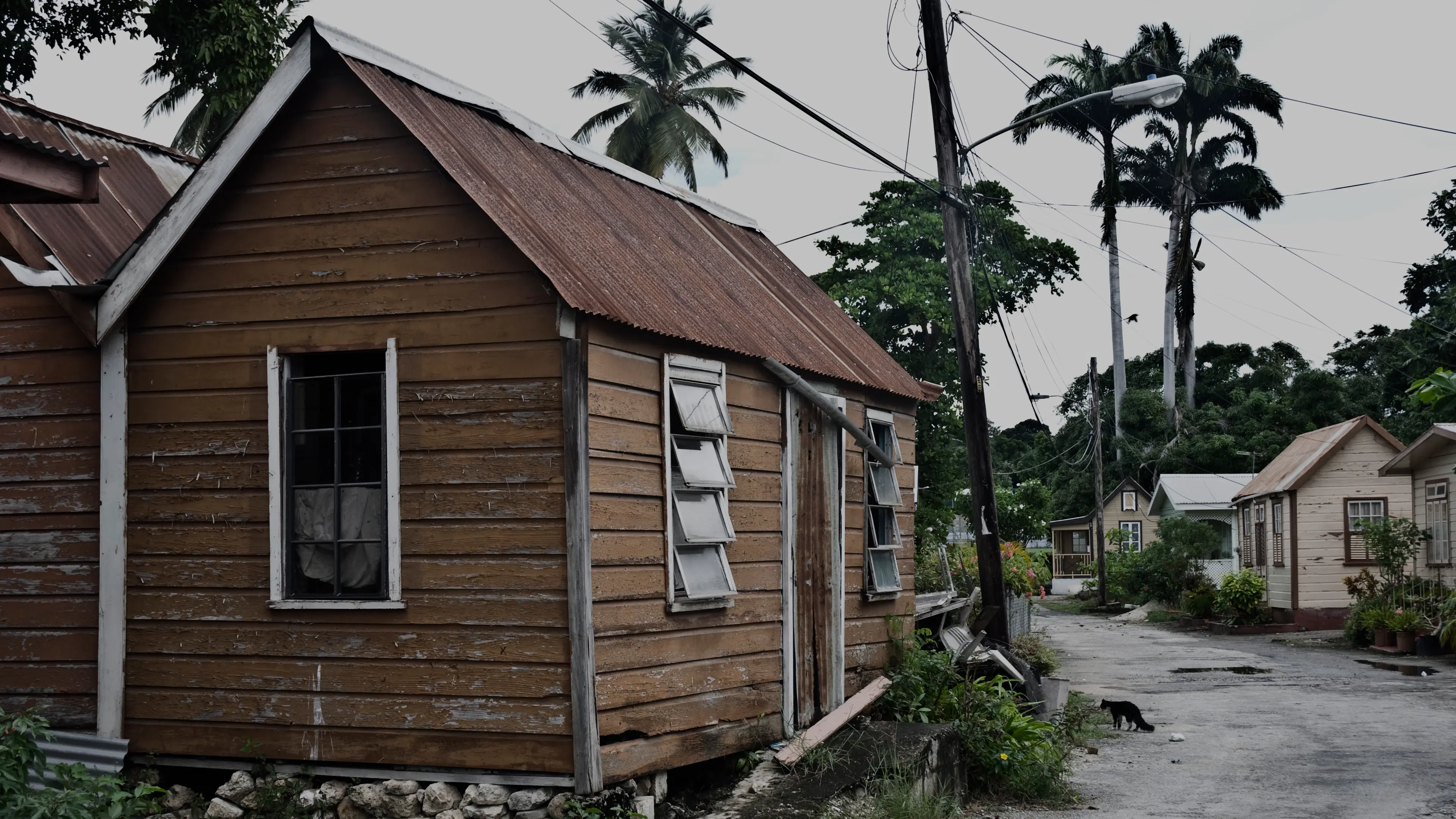
A home could be dismantled, loaded for transport and put together on another site. The work invested in its walls could leave with its owner. What looks, from the road, like a familiar wooden building holds an extraordinary idea about how to live when your place on the land is uncertain.
That is where the story of the chattel house becomes much bigger than its appearance.
Owning a home on somebody else’s ground
Barbados’ official tourism account connects the movable house to the circumstances of formerly enslaved people living on plantation-owned land. A household could own its dwelling while the ground beneath it belonged to someone else. When required to leave, the owner could relocate the building. Portability answered a practical need created by insecure occupation. Barbados Tourism Marketing Inc.
Consider what that distinction means. A house is where you expect to return. You arrange its rooms, learn its sounds and work out where your belongings fit. Yet the decision about whether you can remain may sit outside your front door, with the person who controls the land.
A structure that could move gave its owner something to carry into the next arrangement. It could preserve part of the investment already made, even when remaining in place was beyond the household’s control.
There is invention in that response. There is also a history of unequal power. Both belong in the picture when we admire the design.
A whole life, in sections
In his contribution to UNESCO’s 2005 collection, Caribbean Wooden Treasures, Steve A. Devonish describes timber houses made to come apart in sections for relocation. His account connects changes of plantation employment with moving home, and recalls the shift from mule-cart transport to trucks.
He also writes from family experience. His grandmother told him that his grandfather bought an existing chattel house and moved it onto land he had purchased. The house then became a permanent home. Steve A. Devonish, “The use of timber in Barbados,” pp. 47–50
The same building could mean something different once it stood on its owner’s land. Its capacity to leave had served one purpose. Being able to stay opened another chapter.
That is an unusually intimate way to understand architecture. A building’s story can change without its owner replacing everything that came before. A move can carry earlier work into a more secure future.
Devonish’s recollection gives this history a family scale. We can follow an existing home into a new setting, with a new relationship between the house and the ground. The change becomes legible in one household’s account.