BLOG
Before the viewing: help someone picture everyday life in your rental
From the arrival to the questions photographs cannot answer, prepare a rental viewing that helps someone picture everyday life in the home.
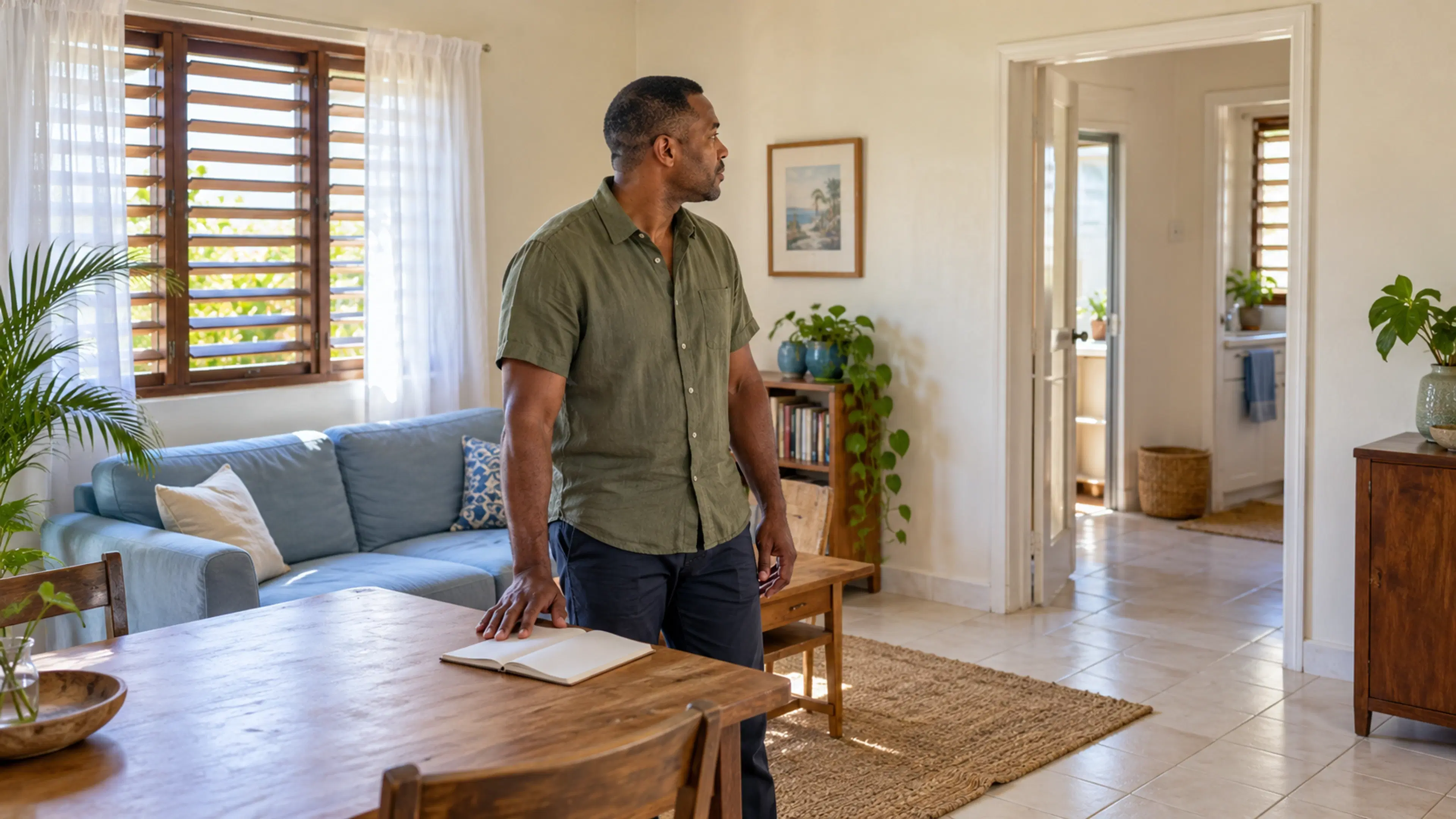
A rental viewing starts before anyone reaches the front door. A prospective renter may already be working out where to park, whether their bed will fit and how the morning journey to work might feel. Your photographs introduce the property. The answers you prepare help them understand how living there could work.
For property owners and authorised agents in Barbados, that is a useful way to plan a viewing: make it easy to assess the home as it is. You do not need a rehearsed sales pitch or a newly decorated room. You need clear information, a sensible route through the space and time for questions.
Here is a practical way to prepare, whether you are getting a rental ready to list or arranging its first viewing.
Start with the questions a photograph cannot answer
Walk through the property with a notebook before you invite anyone over. Look for details that are easy to overlook when you know a home well: where laundry goes, which storage areas are included, whether parking is shared and how someone reaches the entrance from the road.
Write down the answers you can confirm. If you describe a home as furnished, identify the furniture and appliances that will actually remain. A dining table borrowed for photographs should not quietly become part of someone else's expectations.
Separate what is ready from what is planned. If a repair is unfinished, explain its current status and avoid offering a completion date you cannot stand behind. An accurate answer gives the visitor something useful to weigh up.
Give the arrival the same attention as the living room
Before the appointment, agree a time and a clear meeting point. Explain any practical detail that could make the last few minutes confusing, such as a shared driveway, a different entrance or limited visitor parking. Send directions privately where appropriate; do not put access codes in a public listing.
If someone else will show the property, confirm who they are and make sure they have the same information. An owner and an agent should not give different answers about what is included or when the home will be available.
Allow enough time between appointments to finish one conversation before starting another. The aim is to give each visitor room to look and ask, without making either of you rush.
Show a route through an ordinary day
Begin at the entrance, then move through the living area, kitchen, bedrooms, bathroom and any outdoor space included with the rental. A simple route helps a visitor understand how the rooms connect.
Make space for everyday questions. Where could a desk sit? Is there room to open the wardrobe beside a bed? Which outdoor areas are shared? If a measurement matters, check it rather than judging by eye. Keep a tape measure handy and offer to check any dimensions the visitor needs.
Show the actual condition of the home. Open curtains for a clear view, keep walkways clear and put personal papers out of sight. Avoid disguising a problem with furniture or describing an occasional breeze as a promise of comfort throughout the day.
These small choices make the viewing useful because they help someone compare the property with their own routine.
Make “what is included” easy to understand
Prepare a short, consistent explanation of the advertised rent and what it includes. Be specific about utilities, internet, furnishings, parking and any shared spaces. Where a cost is separate, say so plainly rather than leaving the visitor to discover it later.
Do not guess at another household's likely bills or promise an internet speed you have not checked. If you do not know an answer, note the question and confirm it afterwards. The same approach applies to availability: give the date you can support and explain any uncertainty before someone makes plans around it.
Keep this information consistent with the listing. If the viewing reveals that the description needs correcting, update it for the next person as well.
Finish with a clear next step
Before the visitor leaves, ask whether there is anything they still need to check. Agree how you will follow up and which outstanding answers you will send. A viewing is an opportunity to assess the home; it is not a commitment to take it.
If you are managing several properties, record the question against the correct home while the details are fresh. “Confirm whether the washing machine stays” is more useful than a general reminder to call someone back.
Baroow brings property details, photographs and renter enquiries together. If viewing and follow-up tools are available for your property, use them to keep arrangements and outstanding questions organised. Rental agreements, deposits and rent payments are arranged directly between the owner or manager and renter.
If you have a rental ready to introduce, use this preparation to build a clearer listing. Gather the details you can confirm, choose photographs that represent the home and start your property listing on Baroow. A useful viewing begins with an honest picture of what someone is coming to see.